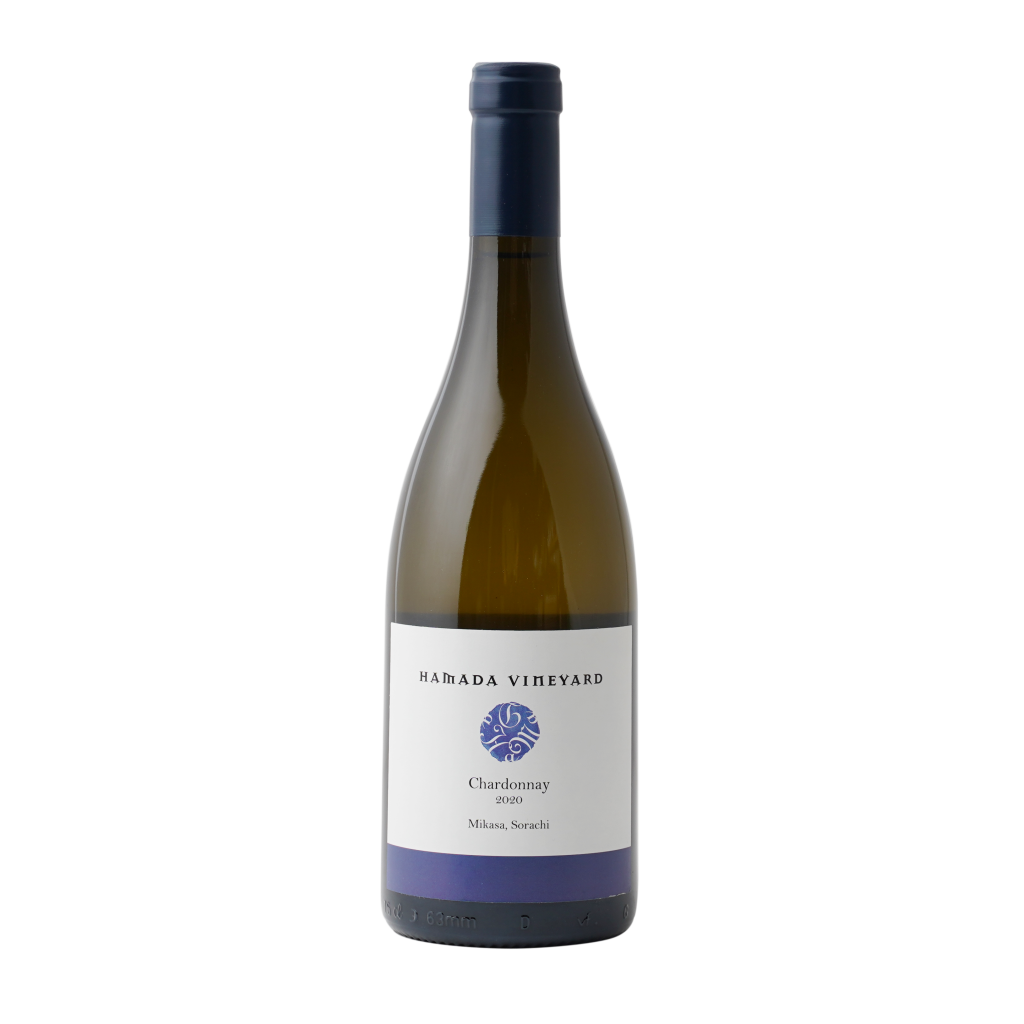
Hamada Vineyard is a small, family-run vineyard on the hills of Tappu, in the city of Mikasa, in Hokkaido’s Sorachi subprefecture — a quietly emerging pocket of Japanese wine country east of Sapporo. The vineyard and winery are tended by just three family members, including Mr. Hamada, who works as a neurologist and runs the vineyard alongside his medical career.
Vines were planted in the mid-2010s, and the vineyard brought in its first harvest in the autumn of 2018 — three years after planting. That first crop became Hamada Vineyard’s debut release in autumn 2019. In 2021, Hamada Vineyard joined forces with a fellow Mikasa grower, Miyamoto Vineyard, to build their own winery, called Domaine Tapukoline, named for the Tappu hillside where both families farm. Everything before 2021 was made off-site; since then, each vintage has been fermented, aged, and bottled at the family’s own facility.
The estate grows a notably wide range of both white and black grape varieties on a small footprint, releasing single-variety wines when volumes allow and blending across varieties in leaner years — as happened in 2023, when an unusually hot, late autumn kept migratory thrushes from moving south, and the resulting bird damage sharply cut yields of Chardonnay and Sauvignon Blanc; nearly all of that year’s white and red grapes ended up blended into the Blanc and Rouge instead of varietal bottlings. By 2024 the vineyard bounced back to a record harvest, added new staff, and is continuing to expand — roughly 1,300 new vines were planted in spring 2025 alone.
Cultivars
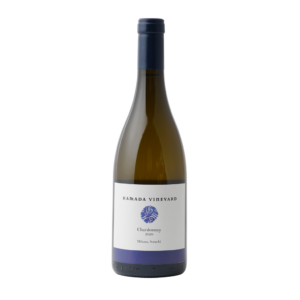
Chardonnay
One of the most popular white grape varieties globally, originating from Burgundy, France. It is prized for its versatility in winemaking, producing a wide range of styles from crisp unoaked wines to rich, buttery oak-aged wines, with flavors of citrus, tropical fruits, and vanilla.
Sauvignon Blanc
A widely planted white grape variety originating in France’s Loire Valley and Bordeaux regions, prized for its bright, high acidity and pronounced aromatics. It typically produces crisp, dry wines with notes of citrus, green apple, and gooseberry, often layered with herbaceous or grassy nuances and, in riper expressions, hints of passion fruit and stone fruit.
Founded: Vines planted around 2015; first harvest 2018; first release 2019. Own winery (Domaine Tapukoline) established 2021.
Climate: Cool, continental — cold, heavy-snow winters and warm, relatively dry summers with a wide day-to-night temperature swing that helps preserve acidity and aromatic ripening.
Soils: Hillside soils typical of the Sorachi wine-growing area
Vineyard land: A small, family-farmed plot on the hills above Mikasa.
Farming: Small-scale, meticulous hand care, careful fruit selection at harvest, with volunteer help brought in for picking in some vintages.
Grower: The Hamada family — three people, including Mr. Hamada, a practicing neurologist who also owns and makes the wine.
Vineyard / Cellar Highlights
Sprays –
Fertilizer –
Hand-picked – Yes
Natural yeast –
Fining / Filtering –
Added sulfites –
TIMELINE
2015 — Vines planted on the Tappu hillside
2018 — First harvest, three years after planting
2019 — First commercial release
2021 — Hamada Vineyard and neighboring Miyamoto Vineyard jointly build their own winery, Domaine Tapukoline
2023 — A rare, large-scale bird-damage event (linked to an unusually hot, late autumn) cuts yields of Chardonnay and Sauvignon Blanc sharply; nearly all white and red varieties get blended into that year’s Blanc and Rouge
2024 — Growers in the region add bird netting in response; Hamada Vineyard brings in a record, disease-free harvest, adds staff, and harvests a small first crop of Gewürztraminer
2025 — Continued expansion, with about 1,300 new vines planted in spring