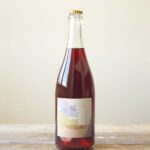
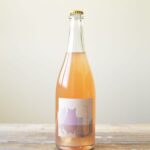
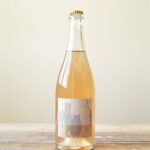
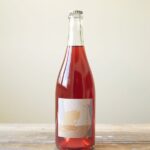
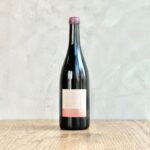
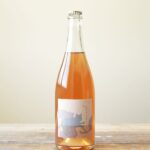
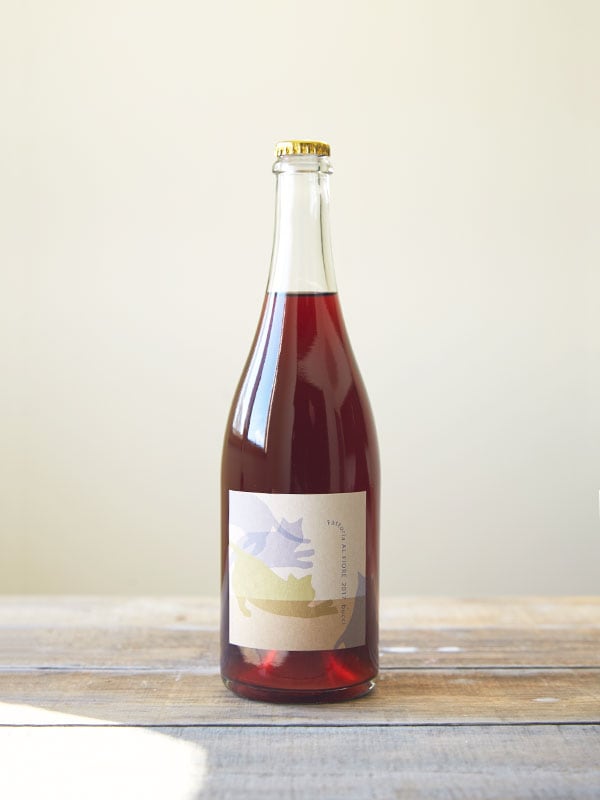
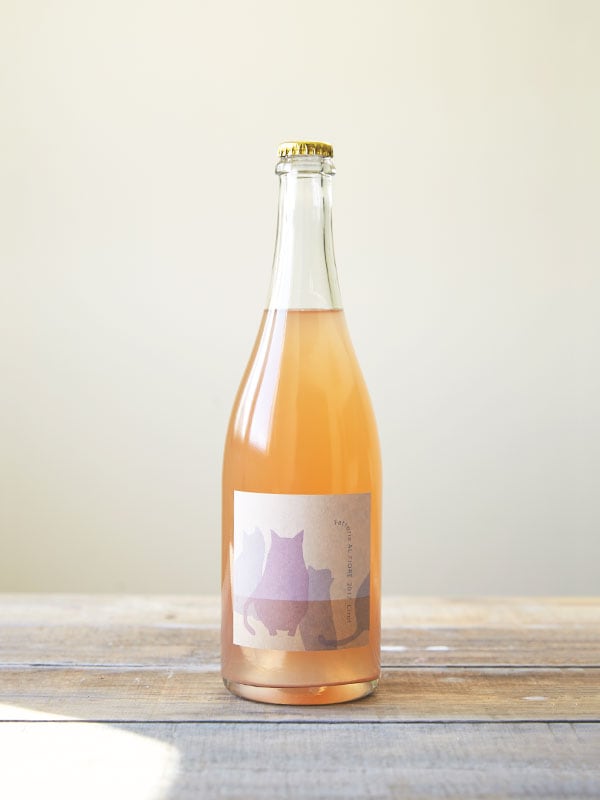
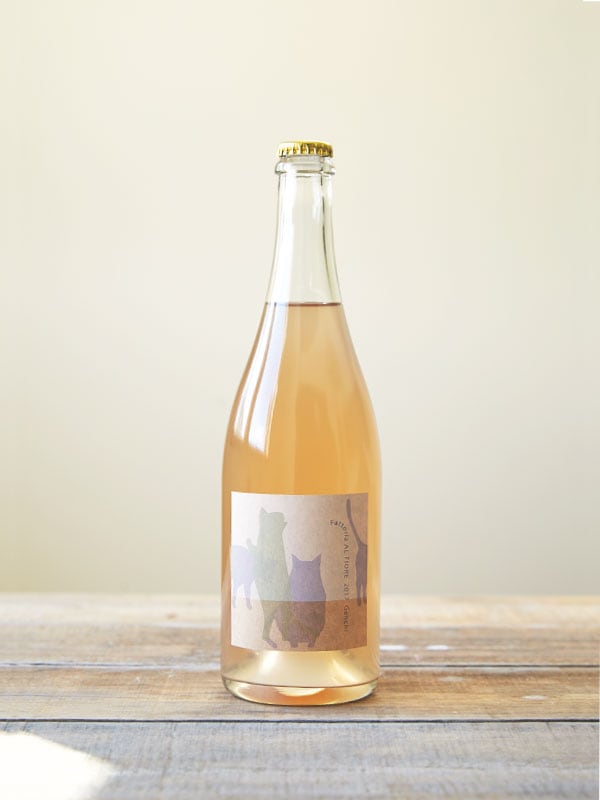
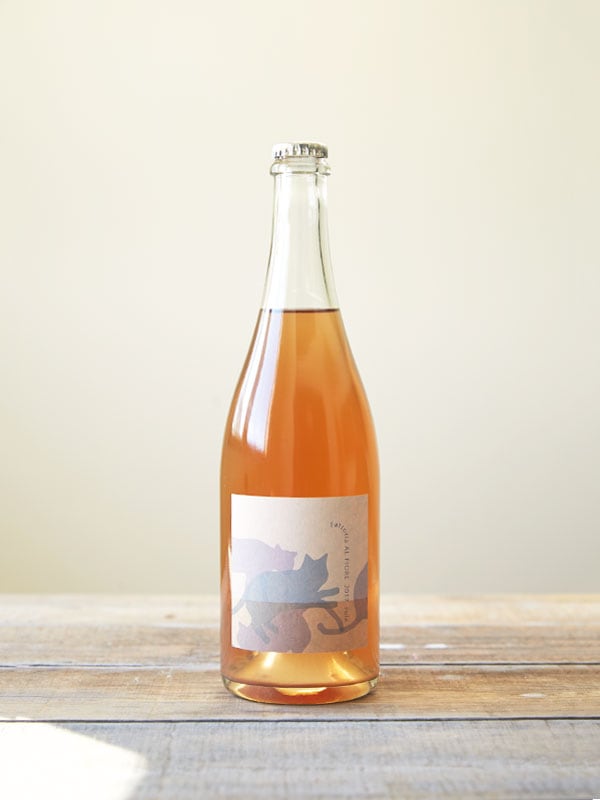
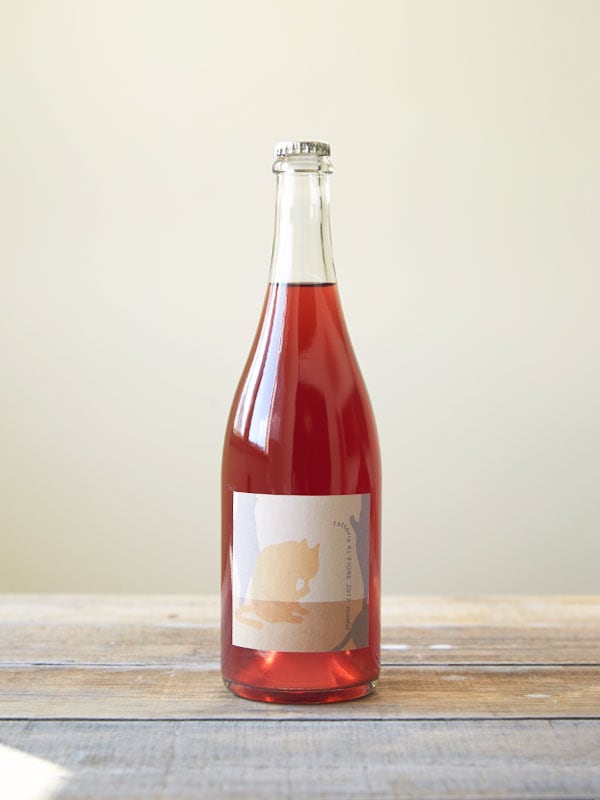
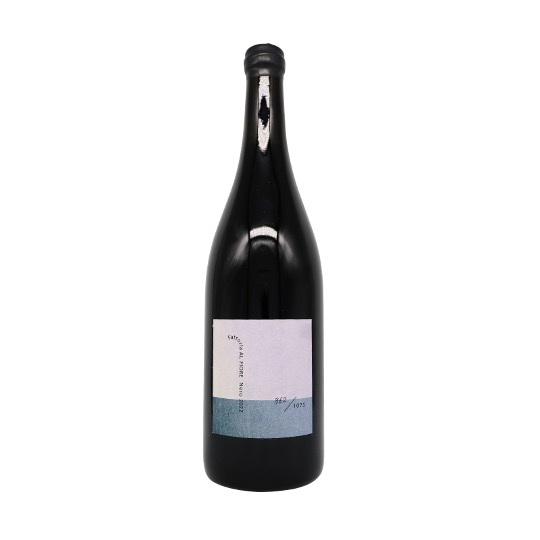
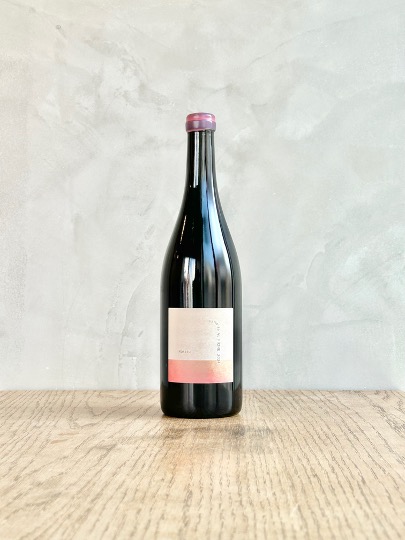
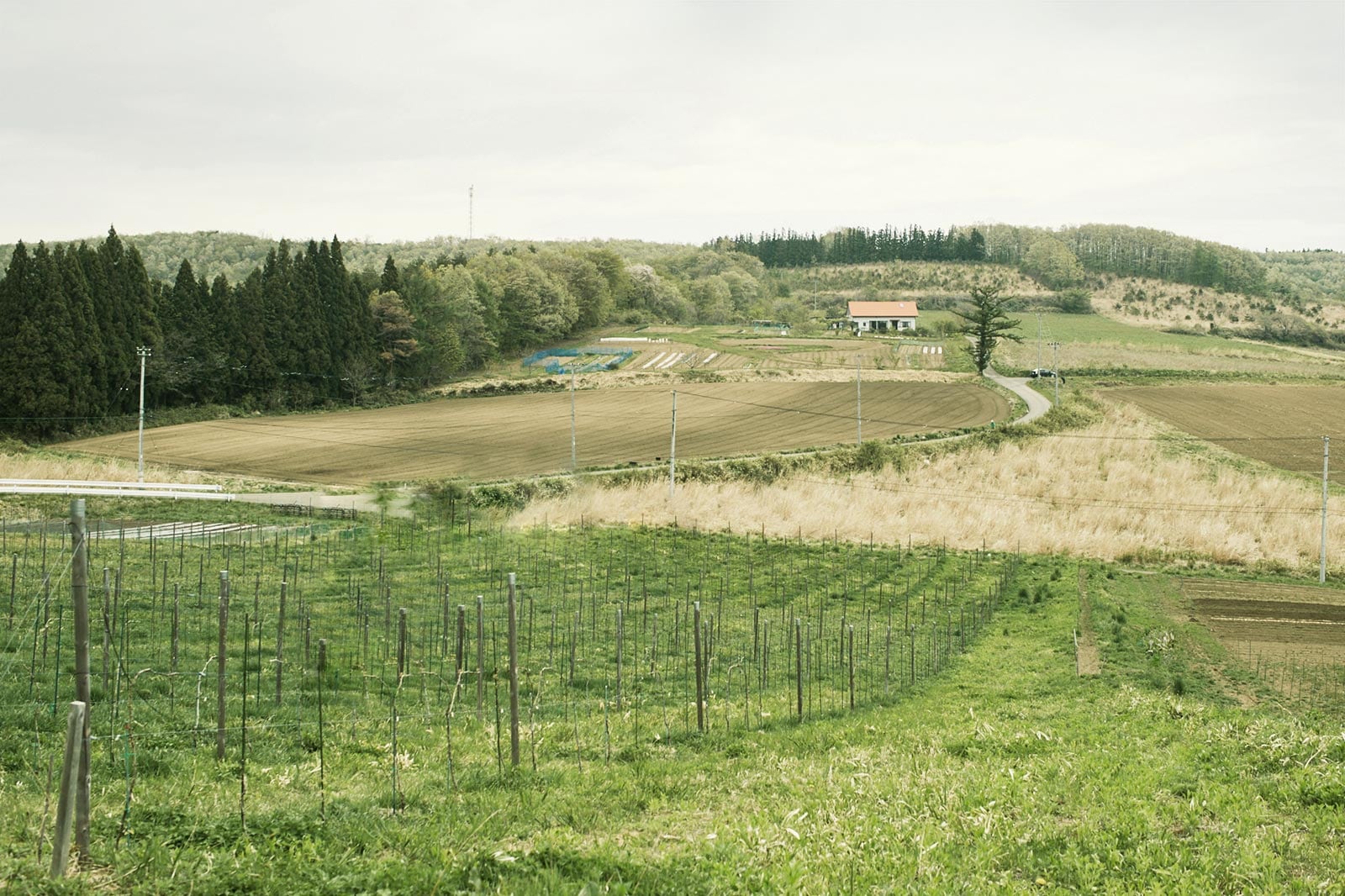
Fattoria al Fiore is a small, natural winery located in Kawasaki Town in Miyagi Prefecture, in Japan’s Tohoku region. Founded in 2015 by Hirotaka and Reina Meguro, the winery operates out of a converted school gymnasium and focuses on low-intervention wines that reflect both place and community.
Founder Hirotaka Meguro previously operated a restaurant in Sendai, where his interest in natural wine led him to winemaking.
The project began with the goal of revitalizing abandoned farmland in Miyagi following the 2011 earthquake and broader rural decline. The winery has since become a community-centered project, with strong ties to local agriculture and craft.
Working with a mix of estate fruit and grapes sourced from trusted growers across northern Japan, Fattoria al Fiore produces delicate, expressive wines designed to pair seamlessly with food. Production is small, and each cuvée reflects a hands-on, intuitive approach to farming and cellar work.
Fattoria al Fiore approaches wine as a living product.
All wines are made with:
- Native yeast fermentations
- No additives (including zero added sulfur)
- No fining or filtration
The goal is not technical precision, but transparency—allowing each wine to express vintage variation, site, and the character of the fruit. The wines are intentionally subtle, favoring balance and drinkability over power.
The estate farms a small parcel in Kawasaki, supplemented by fruit from growers in Miyagi, Yamagata, and Yamanashi.
Farming is guided by low-intervention principles:
- No chemical fertilizers or herbicides
- Compost derived from winemaking byproducts
- Emphasis on biodiversity and soil health
Given Japan’s humid growing conditions, careful canopy management and site selection are essential.
Winemaking takes place in a renovated school gymnasium, using a mix of vessels:
- Amphora
- Neutral oak barrels
- Stainless steel and resin tanks
Fermentations are spontaneous, and wines are handled gently throughout élevage. Blending across vessels is common, allowing for balance and complexity without manipulation.
Grapes & Wines
Fattoria al Fiore works with both vinifera and hybrid varieties, including:
- Koshu
- Delaware
- Muscat Bailey A
- Niagara, Steuben
- Chardonnay, Pinot Noir, Merlot
The wines are typically light, aromatic, and textural, often with a slight oxidative or skin-contact character. Many cuvées are blends, and labeling tends to emphasize concept and expression rather than strict varietal identity.